Why Kondor?
Named after a bird that hardly ever flaps.
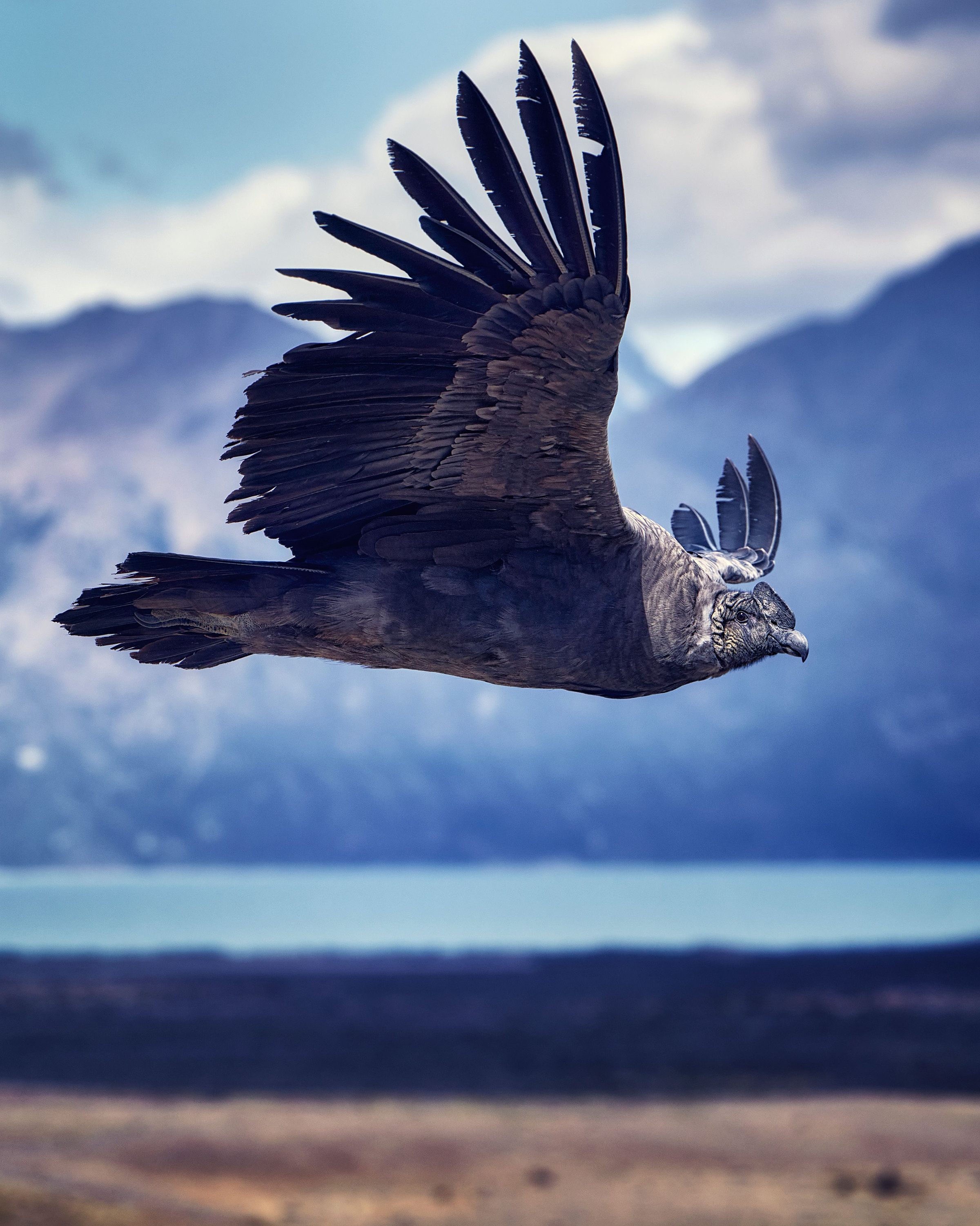
The Andean condor is one of the heaviest birds that can fly. It still spends almost all of its time in the air without flapping. That's the idea behind everything we build.
The bird
Huge, heavy, and almost never working hard.
Up to 3.3 m
Wingspan. Almost 11 feet, one of the widest of any land bird.
Up to 15 kg
Weight. About 33 pounds, among the heaviest birds that can fly at all.
About 1%
Of its flying time spent actually flapping. Mostly at takeoff.
5+ hours
One tagged condor flew for over five hours, about 172 km, without a single flap.
Source: Williams et al., Proceedings of the National Academy of Sciences (2020), a study that tagged wild Andean condors in Patagonia.
How it stays up
It finds rising air, then lets the air do the work.
Thermals
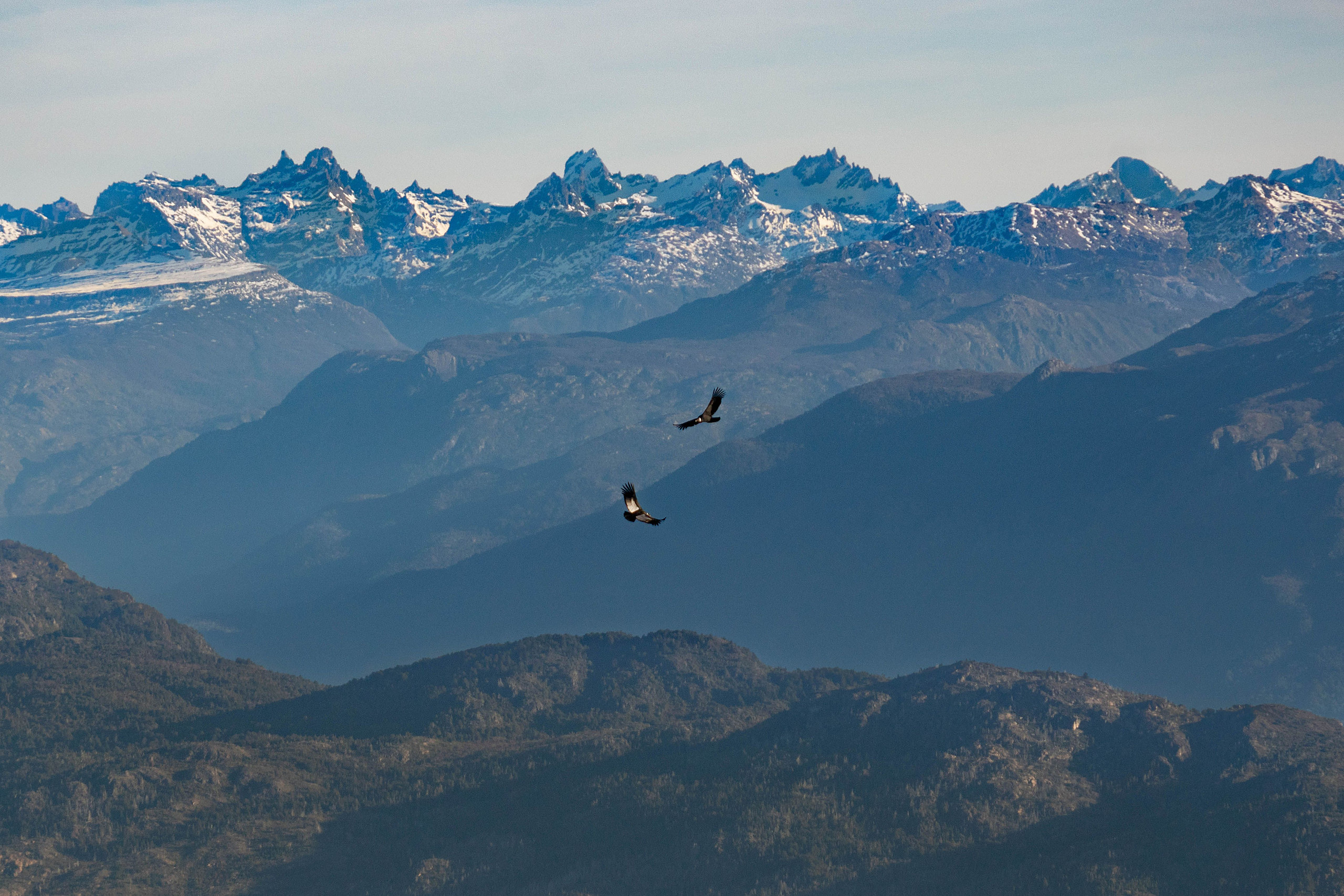
The sun warms the ground and the air above it rises in columns. The condor circles inside one and rides it up.
Ridge lift
Wind hits a mountain and gets pushed upward. The condor glides along the ridge on that rising air.
Flapping burns energy. Finding lift doesn't. So a condor spends its effort finding the right air, then rides it for hours.
What that means for you
Your business doesn't need more flapping.
Most owners keep things in the air by working harder. More hours, more follow-ups, more copy and paste. We look for the lift instead. We find the repetitive work, build automations that carry it, and keep them running. You still steer. You just stop pushing.
The logo
The whole idea, in one word.
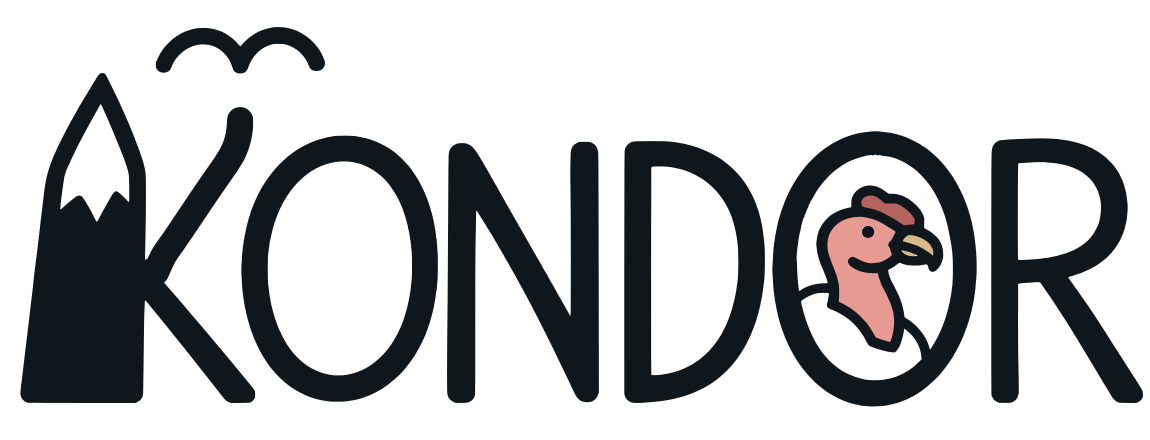
The K is a mountain peak. The line curving up off it is the wind, pushed upward by the mountain. The bird rides it. And inside the O is the condor itself.
Want to find the lift in your business?
Book a free workflow audit. We'll show you where the hours go and what we'd automate first.